
01 TOO FEW
1 for every 18,000.
There aren’t enough certified coaches to go around.

The mental training app for athletes. Two minutes a day for pressure, nerves and mistakes.
WHERE THE TRAINING MONEY GOES
A competitive season One athlete
NOT TO MENTION THE TIME.
Somehow the week fits nine days of sports.
Sample season. Families on club baseball teams commonly spend $10,000 a year (The Wall Street Journal, Oct 3, 2026). Source
$11,390 on the body. Let’s give the mind two minutes a day.
Try a 2-minute reset
THE ACCESS GAP
The pros and big colleges have mental coaches on staff. Everyone else is on their own.
kids ages 6–17 play organized sports in the U.S.
certified mental performance coaches. In the whole world.
If every one of them coached only U.S. kids, each would have about 18,000 athletes. That’s a sold-out NBA arena.
Pressure doesn’t wait for college. Neither should the training. reset gives every athlete the reps, so they can start now.
Sources: Association for Applied Sport Psychology, more than 1,500 Certified Mental Performance Consultants in 20+ countries (April 16, 2026). National Survey of Children’s Health 2023 via Aspen Institute Project Play, 27.3 million U.S. youth ages 6–17 in organized sports. Different populations, shown for scale, not a direct measure of access.
Session costs: published U.S. practice rates checked October 30, 2026. Premier Sport Psychology lists $210 for a 50-minute follow-up; Skadi Sport Psychology lists $175–$225 per session. Both distinguish self-pay performance work from therapy that may qualify for insurance benefits. Sources →
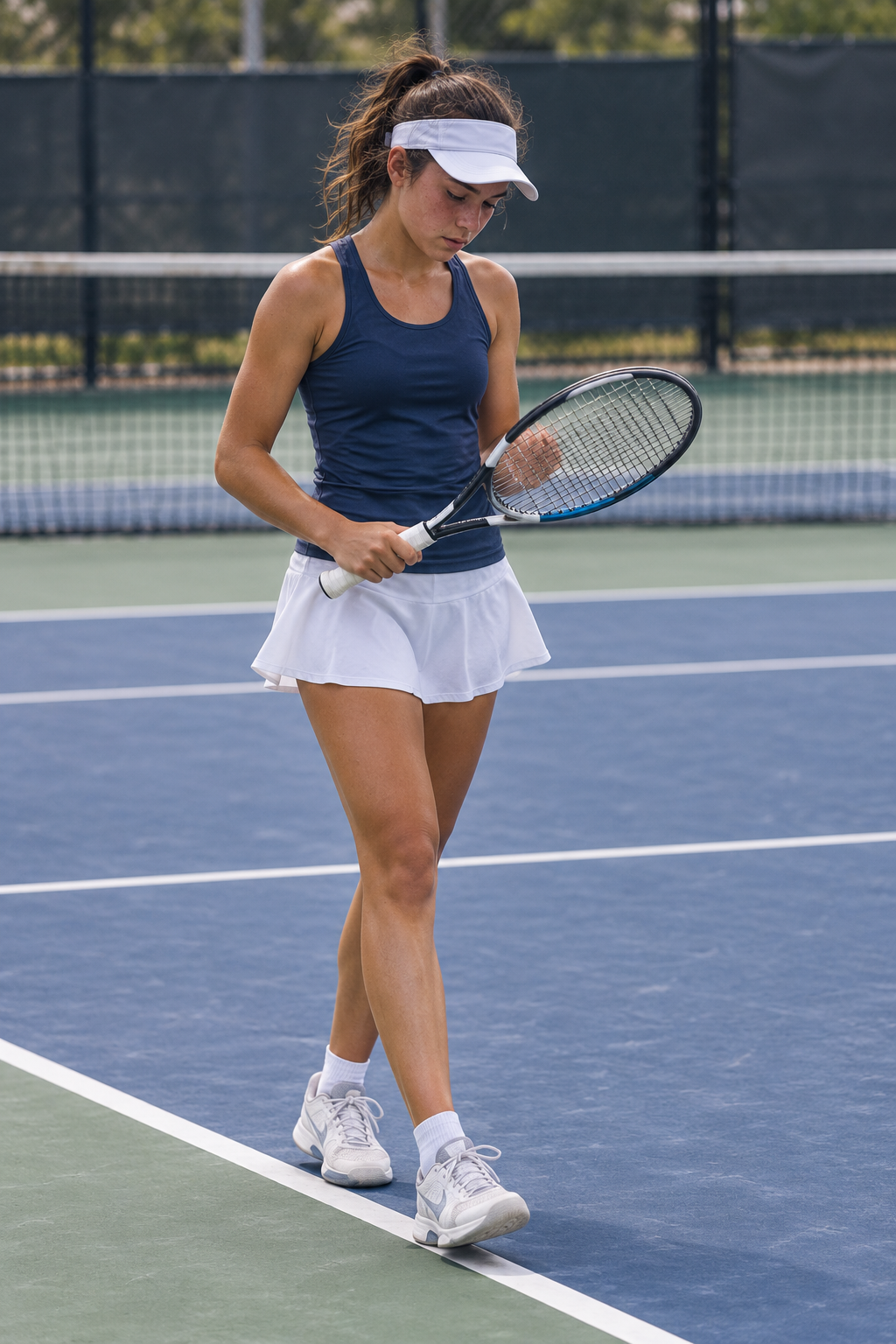
THE MOMENT THAT COSTS GAMES
Left alone, it follows them into the next play. A reset gives them something to do instead.
DOES IT WORK?
Researchers combined 35 controlled studies. On average, athletes who did mental training performed better than those who didn’t, and the gains held when studies checked again weeks later.
On average, athletes who trained their mind scored higher than about 72% of those who didn’t.
Brown & Fletcher, “Effects of Psychological and Psychosocial Interventions on Sport Performance: A Meta-Analysis,” Sports Medicine 47 (2017): 35 randomized controlled trials, 997 athletes, effect size g = 0.57 (95% CI 0.22–0.92). Eight studies followed athletes 1–4 weeks later. 72% is Cohen’s U3, an estimate assuming normal distributions with equal spread,not an observed win rate. Studies tested a range of mental-skills methods, not reset itself. Read the research →
WHAT THE BEST DO DIFFERENTLY
What the pros say about training the mental side of their sport.
Told his mental strength was a gift, he corrected the interviewer:
“It's not a gift. It's something that comes with work.”
2024 Olympic singles champion
Source: CBS 60 Minutes, 2023On rehearsing races in his head before he ever swam them:
“I would run the video of how I want the perfect race to go. What if my goggles break? What if my suit rips?”
23-time Olympic gold medalist
Source: WHOOP Podcast, 2022On how she prepared to win her first Olympic gold:
“I think visualization has definitely helped me in my career, and I was able to visualize myself winning that first gold medal at age 15.”
Nine-time Olympic gold medalist
Source: Academy of AchievementOn stepping up to take a penalty:
“Taking a penalty is nerve-wracking and you feel those nerves. I try and take the pressure away by preparing well.”
England's all-time top scorer
Source: UEFA.com, 2025Quoted athletes are not affiliated with and do not endorse reset.
HOW A RESET WORKS
Notice. Name. Return. Three steps to practice before the game gets loud.
Catch where your head went: the last mistake, the crowd, the scoreboard.
Pick a few words that pull you back to the next play.
Practice it now, so it’s there when it counts.
Try one mental rep. Start with your attention.
Notice where your attention goes. You can practice moving it back.
Your brain keeps picking what to notice. A sound, a score, or a mistake can pull you away. Practice the return.
Look at one detail near you.
Let a sound take your attention.
Bring it back to the detail.
Try that three times, unhurried.
I brought my attention back three times.
As an athlete, there’s a lot competing for your attention: the crowd, the score, a mistake, or how you’re feeling. Focus is choosing what matters for your next action. When you get pulled away, notice it and bring your attention back. Your thoughts and feelings don’t have to disappear.
Picture your next practice, or a familiar activity. Choose where to bring your attention.
Picture your target.
Say “Find my target” quietly.
Pair the words with the detail three times.
Picture your movement.
Say “Feel my feet” quietly.
Pair the words with the detail three times.
Picture the voice you chose.
Say “Listen here” quietly.
Pair the words with the detail three times.
I paired my words with the detail.
Make it your own. Your words can be simple. What will they help you notice?
Picture a familiar part of your sport, or your own activity. See it in your mind or describe it to yourself.
Picture a familiar distraction.
Notice: “My mind moved.”
Say “Find my target.”
Return to your target and keep playing.
Picture a familiar distraction.
Notice: “My mind moved.”
Say “Feel my feet.”
Return to your movement and keep playing.
Picture a familiar distraction.
Notice: “My mind moved.”
Say “Listen here.”
Return to the voice you chose and keep playing.
This time, let frustration or noise stay in the background. You can still choose where your attention goes.
Run that scene again.
Let the distraction happen.
Use “Find my target” to find your target.
Picture yourself continuing.
Run that scene again.
Let the distraction happen.
Use “Feel my feet” to find your movement.
Picture yourself continuing.
Run that scene again.
Let the distraction happen.
Use “Listen here” to find the voice you chose.
Picture yourself continuing.
I rehearsed it again, with my reminder.
Choose one useful detail from your plan. Place your attention there. When your mind wanders, say the reminder you chose and gently bring your attention back. Each return is a chance to practice focus.
You noticed your attention move, chose a reminder, and rehearsed returning.
Keep that reminder for your next practice or game. Parents: bring it to the activity you pictured.
WHO BUILT IT
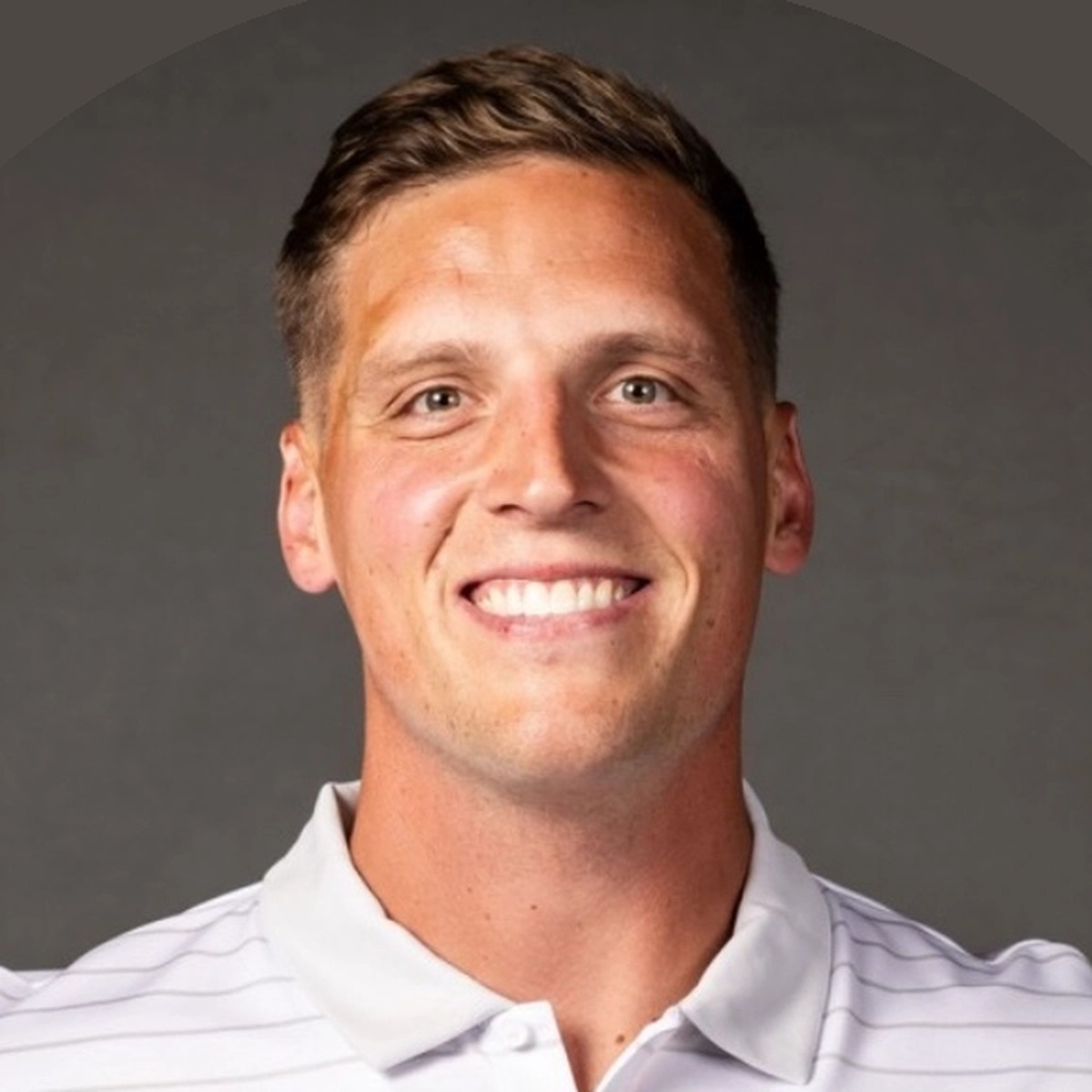
Braden played in the NFL, earned his PhD, and now runs mental health for a big-time college athletic department. He’s also a sports dad. He co-founded reset and writes every lesson in it.
WHAT TESTERS SAY
“The mistake already happened. I want something simple to do next, even when I’m still frustrated.”
“I can book another lesson. What I need help with is teaching my kid how to move on after a mistake.”
“When I say ‘next snap,’ I want a player thinking about their assignment. That’s what I want reset to help us practice: a clear response after a mistake.”
THE OTHER 167 HOURS
Works on its own or alongside a mental coach.
| Your training | Motivational videos | Private mental coach | reset |
|---|---|---|---|
| When they can train | Anytime | By appointment | Anytime, in 2 minutes |
| How often they practice | Self-directed | Sessions + an individual practice plan | Short reps, built to repeat |
| What they do | Watch | Individual guidance and practice | Rehearse it, rep by rep |
| The moment after a mistake | Depends on the video | Response strategies for their moments | A response rehearsed before the game |
| Built for their sport and role | Varies | Yes | Yes |
| Structured path | Varies | Yes | Notice → Name → Return |
| How easy it is to get | Online | Find a coach and arrange sessions | On their phone |
| Live one-on-one feedback | No | Yes | Guided by an AI Coach |
reset is app-based mental performance practice, not therapy or live coaching.

reset is on a waitlist. Join and we’ll email you the day invitations open. The 2-minute reset on the homepage is free to try now.
Athletes who want to practice their mental game. Athletes under 18 need a parent or guardian’s permission.
For athletes and parents
reset isn’t therapy, diagnosis, emergency support or live coaching. Short lessons, recorded guidance and an AI Coach.
Understand the supportreset teaches mental performance skills that come from sport psychology, built with Dr. Braden Brown. It isn’t therapy or a replacement for a licensed professional. If an athlete is struggling beyond sport, talk to a doctor or counselor.
A video asks them to watch. reset asks them to do something: pick a reminder, rehearse a response, and plan when they’ll use it in their sport.
See how the training worksNotice where your head went. Name a few words that bring you back. Return: rehearse it so it’s there in the game.
Practice for focus, self-talk, preparation and bouncing back from mistakes. Learn the idea, try it with guidance, then use it in your sport.
Understand mental performance trainingShort lessons, recorded guidance and an AI Coach. Notice where your head went. Name a few words that bring you back. Return: rehearse it so it’s there in the game.
Treat mental reps like physical ones: something they practice, not something they’re born with. Try the free reset together, then make it part of the pre-practice routine.
BEFORE NEXT SEASON
Get them on the list before the next season starts.
From the library
Mental skills
Mental skills
Preparation
Mental skills
For parents
Choosing an app
Learn a mental skill, see it in your sport, rehearse a response and take it into practice. Use a suggested cue or write your own, such as “See my target.” Afterward, reflect on one action you tried. Completion records show practice, not toughness, readiness or athletic potential.
A coach can help check that a cue fits your assignment, drill and safety instructions. reset’s short lessons, recorded guidance and AI Coach offer education, without live human coaching or direct messages to Dr. Brown. They don’t replace therapy or professional care. Athletes under 18 need a parent or guardian’s permission.